
When Understanding Generations Isn’t Enough
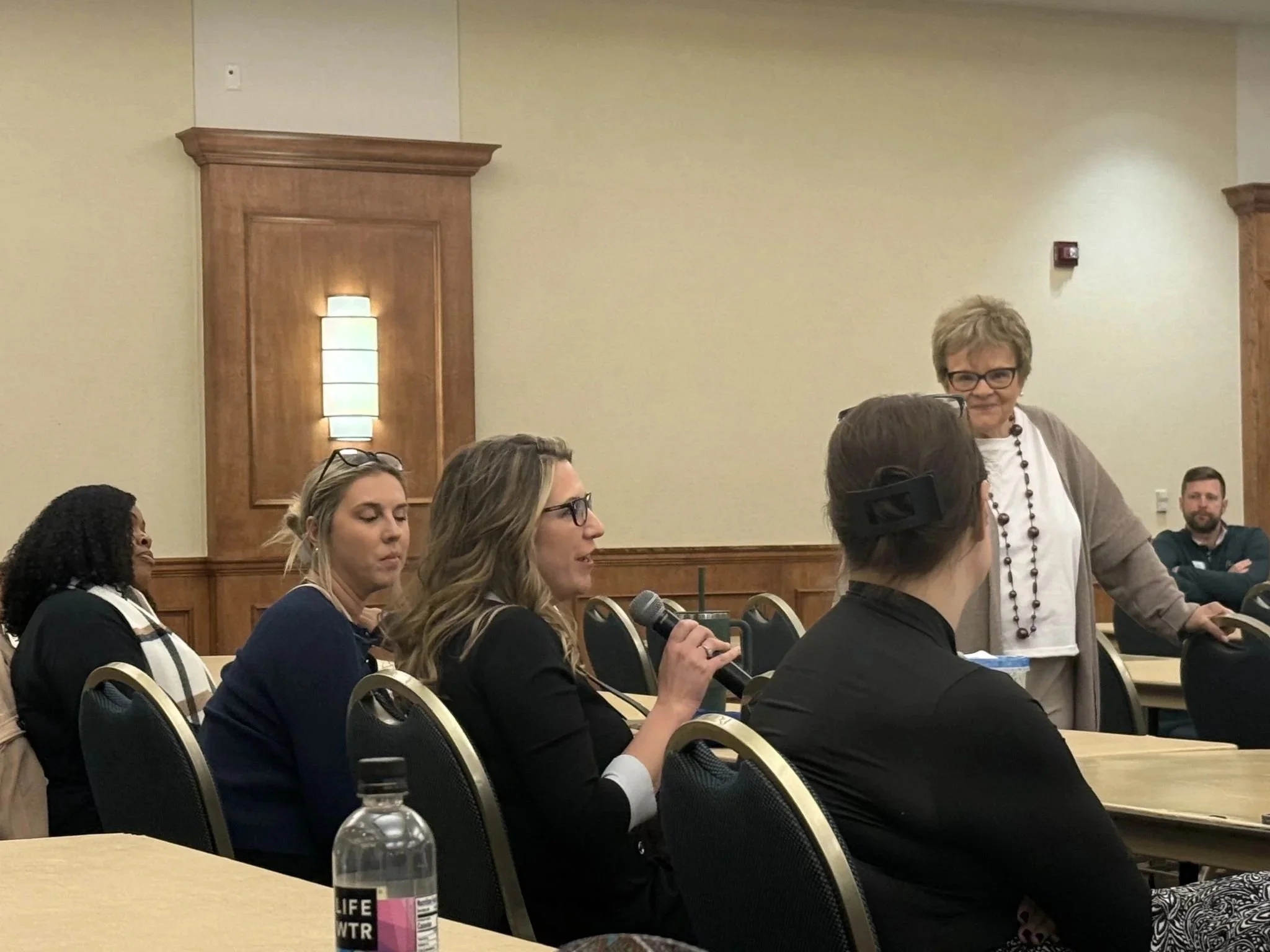
On Monday, I had the opportunity to serve as keynote speaker at the 2026 Leadership Summit OakMac SHRM, hosted by SHRM OakMac at Oakland University.
It was one of those rooms where you could feel it right away— people were engaged, thoughtful, and committed to getting this right.
Because HR leaders today do understand generational differences.
They know:
each generation was shaped by different experiences
values and expectations can vary
communication styles don’t always align
In many ways, we’re speaking the same language…
but in very different dialects.
And that understanding matters. It’s the baseline.
It gives us the clues we need to adapt, connect, and lead more effectively.
So Why Isn’t It Enough?
This is the question that kept surfacing throughout the day.
If we understand the differences… why do we still feel the frustration?
Why do we still:
make quick assumptions
feel resistance to another generation’s approach
retreat into our own silos
Not overtly. Not intentionally.
But just enough to slow things down… or keep real collaboration from taking hold.
Minimize image
Edit image
Delete image
What’s Happening Beneath the Surface
One thing I would have named differently thinking back:
We didn’t walk into that room thinking, “We’re competing with each other.”
But under pressure?
That’s often what it starts to feel like.
Competing for:
respect
recognition
whose way of working is “right”
whose voice carries more weight
And when that pressure hits, something shifts.
We move from curiosity… to protection.
A Framework That Helped Make Sense of It
This is where I introduced a framework I use in both my teaching and my work with organizations:
Pressure → Choice → Effect
(And yes—this comes out of my background in theatre and drama studies. Because at its core, it’s about understanding what people do in the moments that matter.)
When we apply it to the workplace, something becomes clearer:
The pressure is real (deadlines, change, uncertainty, expectations)
The choice is often fast, reactive, and influenced by our assumptions
The effect is what others experience—and what shapes trust, engagement, and results
And here’s the key:
Generational differences don’t disappear under pressure. They become more pronounced.
That’s when dialect turns into misunderstanding. That’s when difference turns into distance.
Where the Opportunity Is
We also talked about the power of pairing:
Agile intelligence — curiosity, adaptability, fresh thinking
Crystallized intelligence — experience, judgment, perspective earned over time
Not as competing strengths…
But as something that can be intentionally connected.
This is where I see real momentum:
Co-mentoring across generations.
Where people are not just giving knowledge… but exchanging it.
Where learning moves in both directions.
And where those initial differences—the ones that can frustrate us—
become the very thing that drives better thinking and stronger teams.
What I’m Still Sitting With
If there’s one takeaway I’m continuing to reflect on, it’s this:
Understanding generational differences is essential. But it’s only the beginning.
The real work is learning how to:
stay curious under pressure
make more intentional choices in the moment
and understand the effect those choices have on others
Because that’s what ultimately shapes collaboration.
An attendee said it beautifully:
“The future of work isn’t something we predict—it’s something we design.”
I would add:
We design it in how we respond to each other—especially when it’s hard.
More to come as I continue to process the day—and refine this work in real time.
- Mary